

Why Brazil’s music culture matters in 2026
Music in Brazil feels alive in a way that surprises most visitors. It fills the streets, the beaches, the bars, and the long summer nights. Rio carries rhythms that come from African roots, Indigenous traditions, and European influence, creating a mix you hear from sunrise to the early hours of the next day.
If you want to understand the country, you spend time with its music. Rio teaches that fast.
Where the story begins
Most travelers first meet Brazil’s sound through Bossa Nova. The soft guitars and quiet voices drift from cafés in Ipanema, reminding people that this genre was born here. Bossa Nova feels calm and warm, the perfect introduction to Rio.
Then the rhythm picks up when Samba appears. You hear it during Carnival rehearsals, in neighborhood bars, and on the streets during warm evenings. Samba carries movement. It carries history. It carries the community spirit that Rio protects year after year.
Pagode enters as a lighter version of Samba. Groups gather with instruments during weekend lunches. Friends sing along. These simple gatherings show why music is part of daily life here.
Brazilian Funk sits on the other side of the spectrum. Loud, bold, and raw. It was born in Rio’s favelas and now plays everywhere from clubs to festivals. Funk shapes Brazil’s youth culture and remains one of the strongest movements in the country.
Trap and rap in Portuguese keep growing. Young artists use the genre to express what they see in their cities. It is strong in Rio, São Paulo, and all major urban centers, adding new stories and giving younger voices a clear platform.
The modern electronic wave
Brazil’s electronic scene has grown into something global. Dance floors now mix house, melodic styles, and Afro house with local samples and vocals. Festivals pack the calendar, and DJs from Brazil travel worldwide with a fresh sound shaped by the country’s culture.
Alok and Vintage Culture lead the electronic scene on an international level. Their sets bring Brazilian influence to big stages. DJ Ana represents the country in the techno world with strong support from Europe and North America. Ludmilla blends pop and funk into her own identity, and Anitta continues shaping global Latin pop with Brazilian roots.
Maz and Antdot, the producers behind Dawn Patrol, built a strong connection between Afro house and old Brazilian melodies. They sample classic Brazilian music and turn it into some of the most played Afro house tracks in clubs.
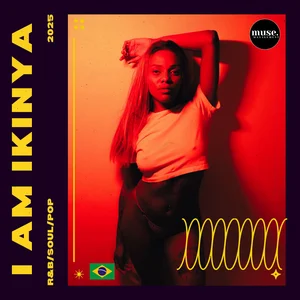
Ikinya brings a new voice into the mix. She began as a rapper, grew into an R&B and pop singer, and now works as a vocalist for DJs and producers around the world. Most people hear her in Afro house projects, but she also records in house, electronic pop, and other styles. One of her standout moments came when Água Doce, remixed by Shmina, was added to Black Coffee’s TrackID playlist. For many artists in Afro house, this kind of recognition means the world.
Festivals and events that define the scene
Brazil takes festivals seriously. Rock in Rio continues as one of the largest events on the continent. The mix of global pop, rock, Brazilian legends, and electronic artists creates a unique experience that only Rio can offer.
Tomorrowland Brasil brings another side of the culture. It focuses on electronic genres and pulls visitors from around the world. The production, stage design, and energy remain unmatched.
Beyond the international events, Brazil stays filled with local festivals, street parties, club nights, and open air shows. Rio, São Paulo, Bahia, and coastal cities offer something every weekend.
The tradition of Copacabana concerts
Copacabana Beach hosts some of the largest free concerts in the world. The government invites major artists to perform for public celebrations and New Year’s Eve. Huge stages sit on the sand. Millions gather on the beach.
Past performers include Madonna, Lady Gaga, and Alok. These shows leave a mark on both travelers and locals, and they help visitors understand how music ties the city together.
Your Brazil playlist for 2026
This guide will include a curated playlist to help you feel the country before you land.
Travel tools for the music lover
Skyscanner
Helps find dates that match concerts and festivals.
Google Flights
Tracks price changes during event weekends.
Kiwi
Great for combining stops in São Paulo, Bahia, or other music hubs.
Airbnb
Perfect for booking stays near clubs, music streets, and nightlife.
Booking.com
Easy for comparing hotels near major venues.
HolaFly
Fast data for checking festival schedules or last minute event tickets. Get 5% discount on all plans.
Amazon travel essentials
Useful for earplugs, chargers, and gear for long nights out.
Final thoughts
Brazil’s music culture continues to evolve. It holds onto traditions like Samba and Pagode while pushing forward with funk, rap, electronic music, and Afro house. Whether you stand at a drum circle, sit at a Bossa Nova café, dance at a nightclub, or join a festival with thousands of people, the sound becomes part of your trip. Music is the heartbeat of Rio, and once you feel it, it stays with you.
Affiliate Disclaimer: Some of the links in this post are affiliate links, which means if you purchase through them, Cheers to Travels may earn a small commission, at no extra cost to you. We only recommend products we truly believe in.


