

A city shaped by queer history and open community life
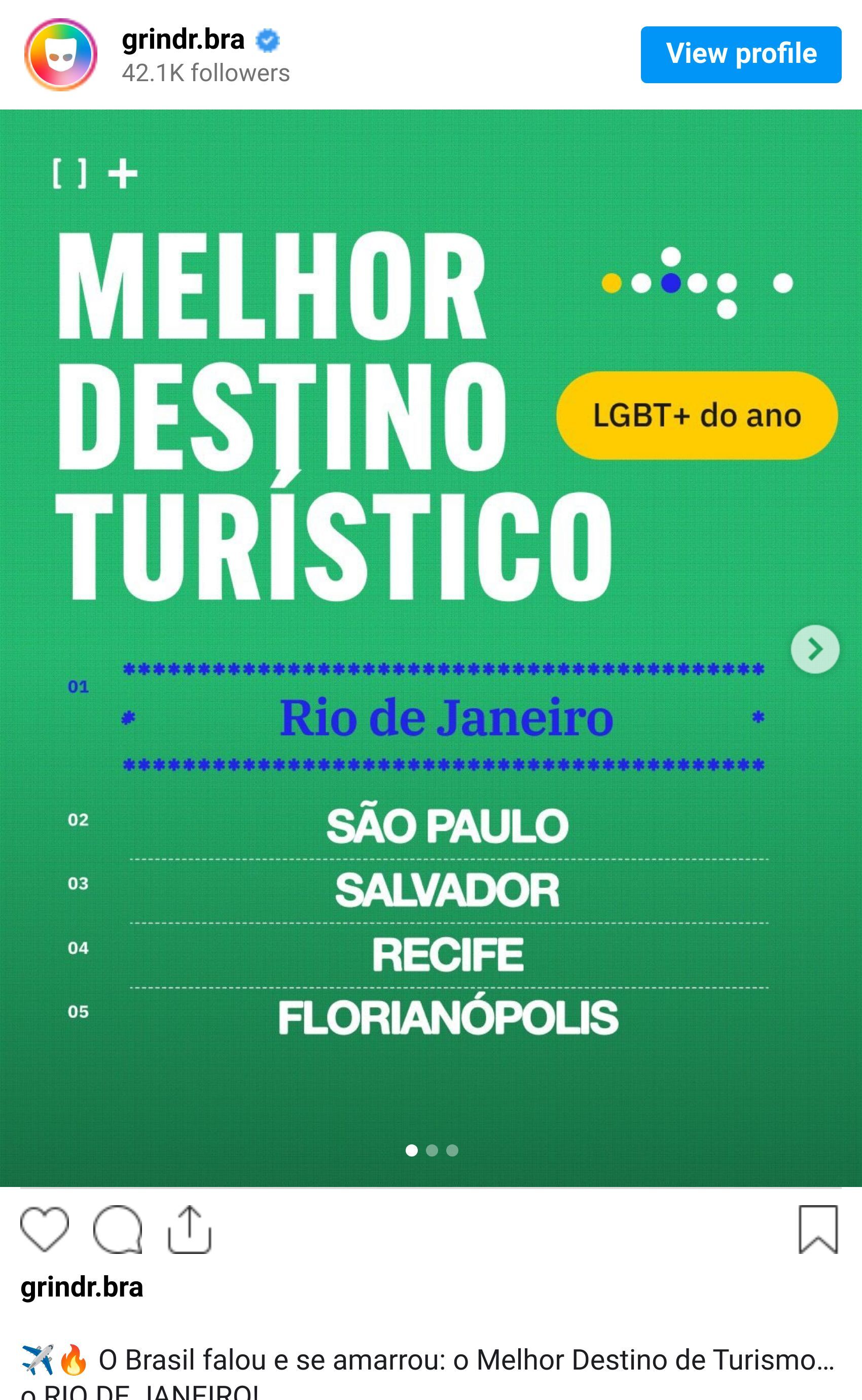
Rio carries a long story of freedom. You feel it when you land. You feel it in how people speak, dress, dance, flirt, and move. Queer people fit naturally into this rhythm. That open energy is one reason Grindr named Rio the best LGBTQ destination in the world in its Unwrapped 2025 report (Grindr, 2025).
The recognition reflects what locals already know. Queer life is part of the city. You see people living with confidence at the beach. You see couples kissing at sunset. You see drag artists celebrating their art in Lapa. You see trans women walking proudly on the streets of Copacabana.
People live without pressure. That alone changes the visitor experience.
A deeper editorial look at Rio’s LGBTQ history
Queer identity in Brazil began long before colonization. Indigenous communities across the territory recognized more than two genders and practiced forms of social roles that included gender fluid expression (Harvard Latin American Studies, 2020).
Despite repression during colonization, Rio became a haven for outsiders, artists, and performers. By the 1900s, the city grew strong LGBTQ pockets in Lapa and Centro through samba, theatre, and nightlife.
Key moments shaped the community.
Drag and cabaret culture became popular in the early twentieth century.
Carnival encouraged gender play in public.
LGBTQ activism grew during the AIDS crisis in the 1980s.
The Pride movement strengthened during the 1990s.
Brazil legalized same sex marriage in 2013 (CNJ, Resolução 175, https://www.cnj.jus.br).
Trans and non binary activism grew in the last decade with national visibility campaigns.
Rio’s openness grew from these movements. It is not accidental. It is cultural and historical.
Brazil has one of the largest LGBTQ populations on earth
Main data points.
At least 10 percent of Brazil identifies as LGBTQ (Datafolha survey, 2022).
That equals more than 20 million people.
Brazil has one of the largest transgender populations in the world (Williams Institute, UCLA School of Law).
Brazil welcomes more than two million LGBTQ tourists each year (Brazil Ministry of Tourism, 2023).
Rio and São Paulo attract the highest number of LGBTQ visitors in South America (IGLTA, 2023).
Visibility is high because the community is large. That size shapes the culture in bigger cities.
Tourism and economic influence of LGBTQ travelers
Tourism data shows clear patterns.
LGBTQ visitors spend more on travel than the national average (IGLTA report, 2023).
Brazil’s LGBTQ tourism now generates billions of reais each year.
Rio receives some of the highest tourism revenue from LGBTQ events such as Carnival, Pride, and Hell and Heaven Festival.
Carnival alone brings around seven million visitors into Rio every year
(Rio City Hall, 2023).LGBTQ blocos in Carnival draw over one million people combined.
This traffic encouraged businesses to become more inclusive.
Beach culture and why it matters
Rio has a social culture built around the beach. This is one reason queer visitors love the city.
Key points:
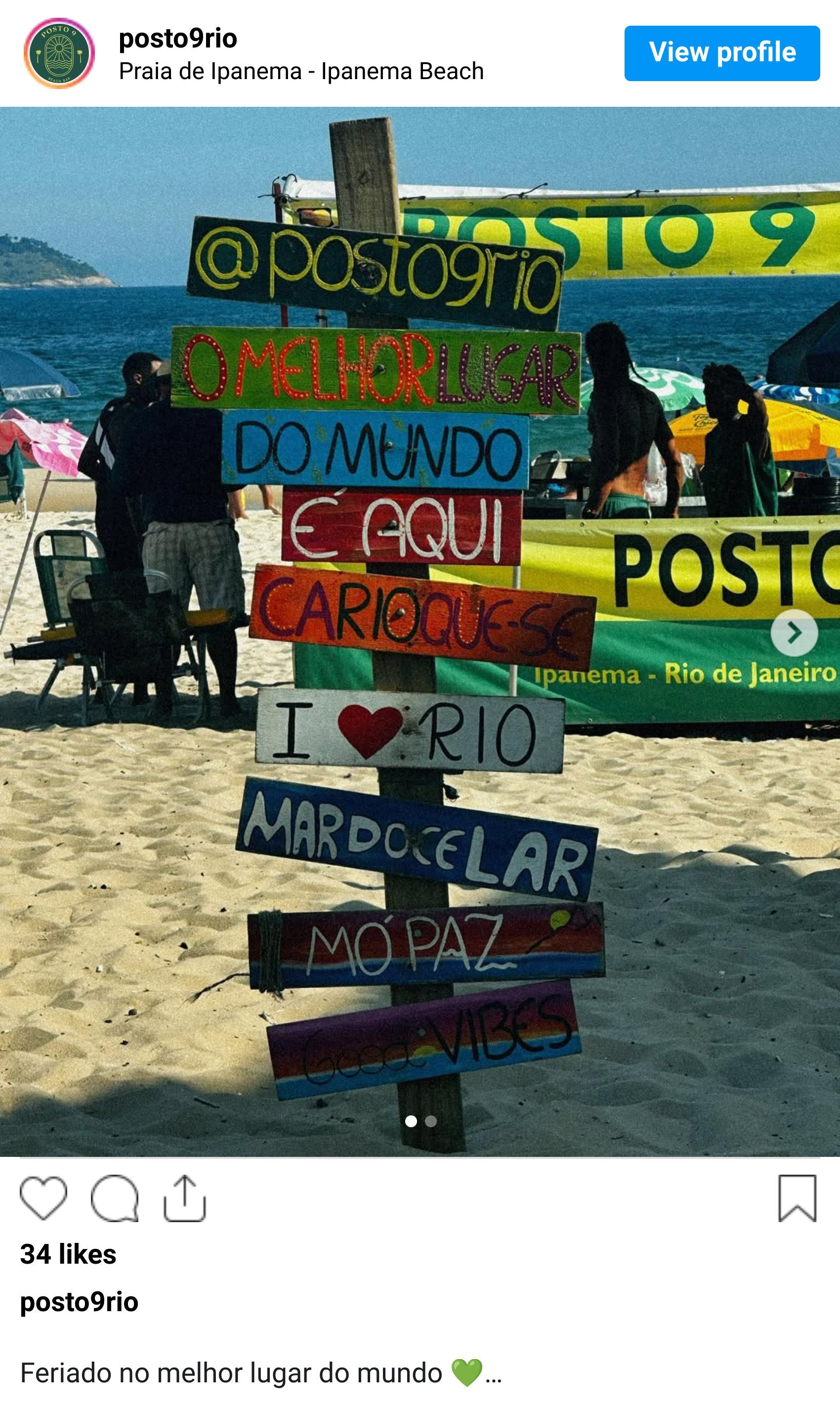
Ipanema Posto 9 is a historic LGBTQ landmark recognized internationally since the 1970s.
Posto 8 also gathers many queer visitors and trans women.
Public affection is common and accepted in these areas.
Foreign travelers say the beach is where they feel the most comfortable in Brazil (Nomad List community reviews).
The beach brings people together. It removes barriers. You meet friends, potential dates, and entire groups by simply showing up.
Why Rio became the top LGBTQ destination
Grindr’s global data highlighted cities that offered freedom, nightlife, community, dating culture, kindness, and overall comfort.
Rio won because it offers all of this in public spaces, not only in nightlife.
People express affection without stress.
LGBTQ presence exists across many neighborhoods.
Carnival represents queer culture with pride.
Rio offers a mix of outdoor and indoor experiences.
Travelers meet people easier than in many global cities.
The city has a growing digital nomad queer network.
This combination is rare. It sets Rio apart.
Queer culture in Rio
Queer life feels expressive and casual. People hug. People kiss cheeks. People speak with emotion. This behavior influences how queer visitors feel.
Gay men gather near Posto 9 and Farme de Amoedo. Queer women join circles in Lapa, Santa Teresa, and Botafogo. Trans and non binary people take part in art collectives, language exchanges, and community events.
Rio’s culture supports individuality. Style varies. Gender expression varies. People feel free to experiment.

Safety for LGBTQ travelers
Rio offers strong visibility and acceptance, but awareness helps.
Safe and comfortable neighborhoods include:
🏳️🌈 Copacabana
🏳️🌈 Ipanema
🏳️🌈 Leblon
🏳️🌈 Botafogo
🏳️🌈 Flamengo
🏳️🌈 Santa Teresa
Simple habits keep you comfortable.
⚠️ Use Uber or taxis at night.
⚠️ Do not walk with your phone out.
⚠️ Stay near well lit areas.
⚠️ Join community events when exploring nightlife.
⚠️ Choose LGBTQ friendly hotels listed on IGLTA.
The Spartacus Gay Travel Index ranks Brazil in a mid range position due to national level risks, but Rio and São Paulo score higher than the national average (Spartacus, 2024).

Annual LGBTQ events in Rio
Rio hosts massive events that attract global visitors.
🎉 Rio Pride Parade draws over one million people (Rio City Hall, 2023).
🎉 Carnival brings around seven million visitors citywide, with LGBTQ blocos among the most attended.
🎉 Hell and Heaven Festival attracts thousands of international visitors.
🎉 The Week hosts events with DJs from around the world.
🎉 Women focused events such as Sapphic Rio create spaces for queer women.
🎉 Trans visibility events bring the community together for advocacy and celebration.
These events reflect a long history of queer artistic expression.
Queer nomads and community groups
Rio has a growing digital nomad base. Many are queer.
Helpful groups:
Rio LGBTQ Nomads Network
LGBTQ traveler groups on Facebook
Sapphic and queer women meetups
Weekly language exchanges in Flamengo, Botafogo, and Lapa
Sporting groups on Copacabana Beach
Telegram and WhatsApp groups for nomads
People meet fast. Much faster than in most big cities.
Where queer travelers go in Rio
Popular queer friendly places include:
📍 Farme de Amoedo in Ipanema.
📍 Posto 9 and Posto 8 beaches.
📍 Le Boy in Copacabana.
📍 The Week Rio.
📍 Fosfobox.
📍 La Esquina in Lapa.
📍 Bars and cafés in Botafogo known for inclusive staff.
Queer life spreads across the city. You do not need a single district.
Comparing Rio and São Paulo
People love to compare both. They serve different needs.
São Paulo
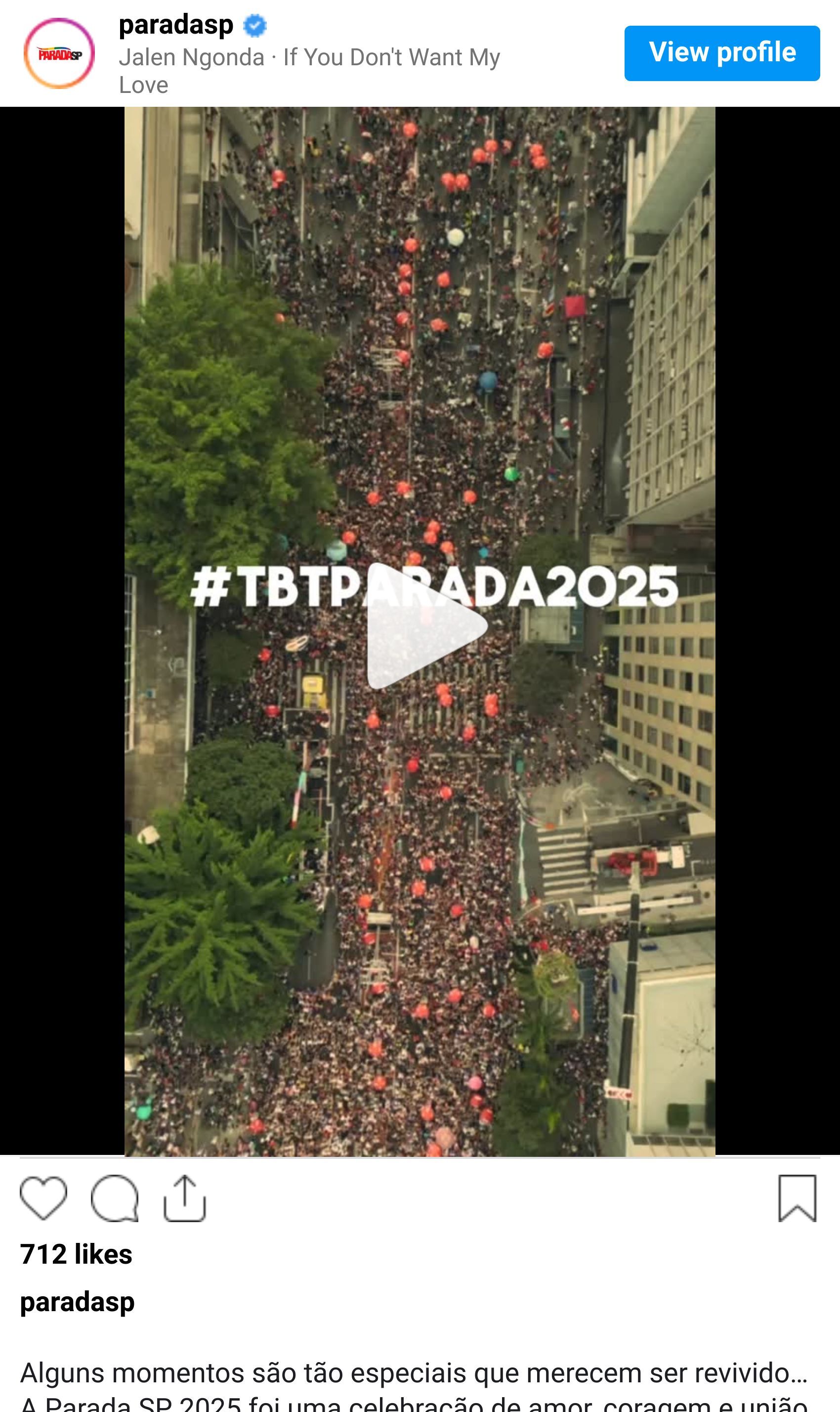
Hosts the largest Pride Parade in the world (Guinness World Records).
Strong LGBTQ nightlife with clubs open all week.
Larger community of queer artists, writers, and performers.
More structured, urban, and fast paced.
Rio de Janeiro
Open affection is common.
Beach culture creates natural social spaces.
Warm communication makes it easy to meet people.
Carnival is a major queer celebration.
Best for travelers, nomads, and romantic trips.
Many LGBTQ travelers visit both. São Paulo gives nightlife and culture. Rio gives warmth and freedom.
REFERENCE LIST
Grindr Unwrapped International Edition 2025:
https://www.grindr.com/category/company-updates
Veja Rio coverage:
https://vejario.abril.com.br/coluna/otavio-furtado/rio-melhor-destino-turismo-lgbtqia
Datafolha LGBTQ population survey:
https://datafolha.folha.uol.com.br
CNJ same sex marriage ruling 2013:
https://www.cnj.jus.br
Williams Institute transgender population studies:
https://williamsinstitute.law.ucla.edu
Brazil Ministry of Tourism LGBTQ data:
https://www.gov.br/turismo
IGLTA travel research:
https://iglta.org
Rio Pride Parade attendance
https://www.rio.rj.gov.br
Spartacus Gay Travel Index
https://www.spartacus.com/gayguide
Harvard Latin American Studies
https://revistas.fflch.usp.br
Guinness World Records Pride listing
https://www.guinnessworldrecords.com
Nomad List community reviews
https://nomadlist.com/rio-de-janeiro
United Nations and tourism data
https://www.unodc.org
Final thoughts
Rio earned its title because it feels natural to live openly here. You feel safe at the beach. You feel welcome in cafés. You feel seen in community spaces. Queer life exists inside the daily rhythm of the city, not on the margins. That is the difference.
Affiliate Disclaimer: Some of the links in this post are affiliate links, which means if you purchase through them, Cheers to Travels may earn a small commission, at no extra cost to you. We only recommend products we truly believe in.


