

We were standing outside three restaurants on the same block in a city we had landed in six hours earlier, trying to decide which one was worth the wait. Google Maps showed all three at 4.5 stars. The photos on each listing were at least a year old and clearly taken by the restaurant itself. None of that told us anything about what was actually happening inside right now.
That is the exact gap Atmosfy was built to close.
Atmosfy is a video-based discovery app for restaurants, bars, and other local spots. Instead of star ratings and static photos, the app runs on short videos posted by people who were just there. You scroll a feed tied to your location, and what you see is what the place looks and sounds like right now, not a curated shot from opening week. For a digital nomad who lands somewhere new every few weeks, that changes how you make a decision you would otherwise be guessing at.
Before you can use any of this, though, you need working data the moment you land. An Airalo eSIM activated before you board means you can pull up the app and start scrolling video the second you step off the plane, instead of waiting until you find WiFi to figure out where to eat.


What Atmosfy Actually Is
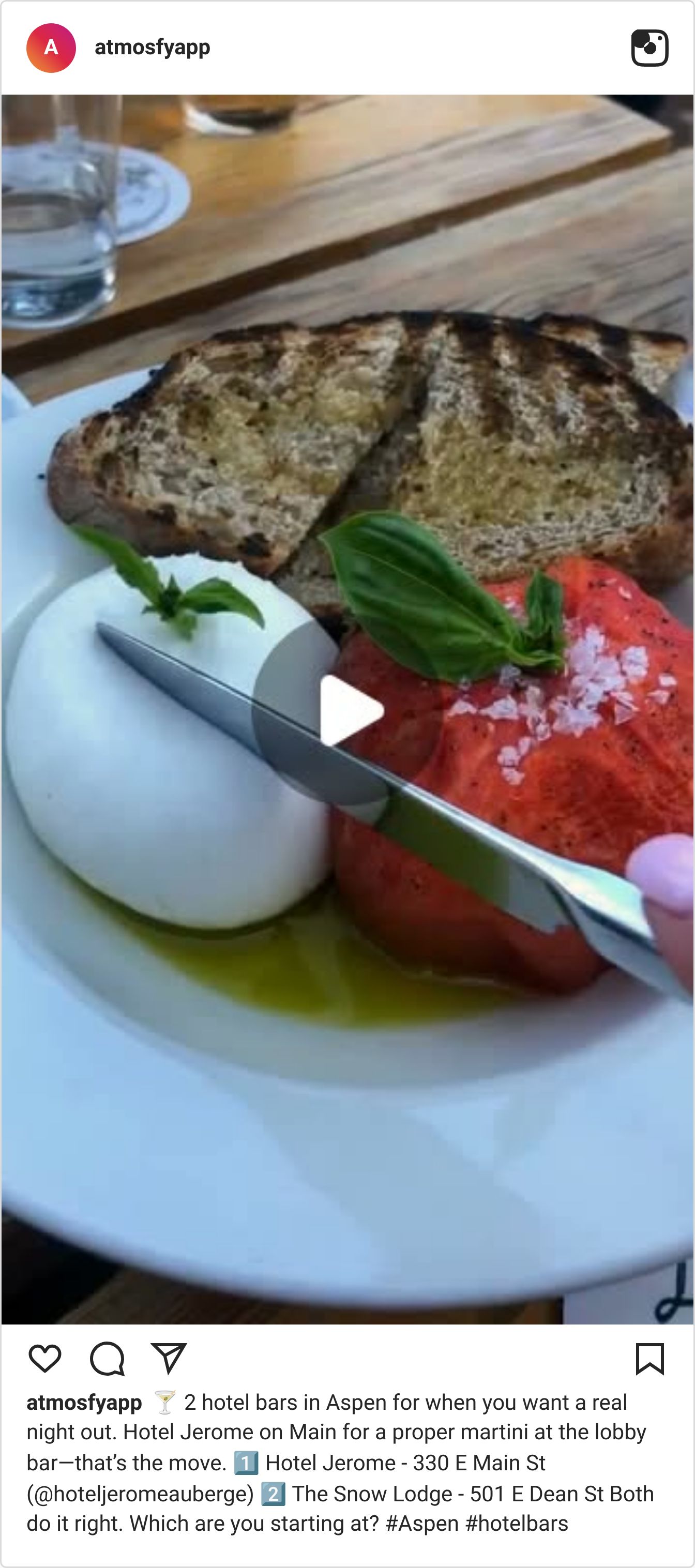
Atmosfy works like a map layered on top of a video feed. Every video is tagged to a real location, so instead of reading a written review, you are watching footage someone recorded while they were physically at the restaurant or bar. The app pulls from user-submitted clips: a bartender making a drink, the line out the door on a Friday night, the actual plate that arrived at the table.
The difference from a platform like Yelp or Google Maps is the format, not just the content. A star rating is a summary. A video is evidence. You can watch fifteen seconds of a bar at 9pm on a Tuesday and know immediately whether it is dead or packed, something no rating number tells you.

Atmosfy
How the App Works Day to Day
Opening Atmosfy in a new city works the same way every time. The app centers on your current location and shows a feed of nearby videos, closest and most recent first. You can filter by category, restaurants, bars, cafes, and by cuisine or vibe if you are looking for something specific.
Finding Restaurants and Bars Near You
Scroll the feed the way you would scroll any short-video app. Each clip shows the name of the spot, its distance from where you are standing, and a link to save it. Tap into a location and you get every video posted there, so instead of one photo you get a running record of what the place has actually looked like over recent weeks.
Saving and Organizing Spots for Later
Once you find something worth returning to, save it to a list. This matters more for nomads than for a one-time tourist. You are not picking one dinner. You are trying to build a working list of five or six spots before you have even unpacked, so the rest of your first week does not turn into decision fatigue every time you get hungry.


Why Video Beats Photos and Star Ratings
A five-star rating tells you almost nothing about the moment you are standing in. It does not tell you if the kitchen is backed up tonight, if the bar you are looking at is a locals spot or a tourist trap dressed up with good photography, or if the outdoor seating you were hoping for got rained out and moved inside.
Video closes that gap because it is current and because it is hard to fake at scale. A restaurant can hire someone to shoot ten beautiful photos once. It is much harder to manufacture a steady stream of real customer video that looks convincing over time. That is not a guarantee against a bad meal, but it shifts the odds meaningfully in your favor compared to a static listing.
Once you have picked a spot and you are actually sitting down to pay for it, the app decision is done and the money decision starts. This is where paying abroad without punishing conversion fees matters, especially somewhere you will be eating and drinking daily for weeks. A Wise account set up before you travel means the exchange rate on that dinner bill is close to the real one, not padded by a card network markup you only notice when the statement arrives.
Where Atmosfy Falls Short
The app is only as good as the video coverage in a given city. In places with an active base of local creators, the feed is genuinely useful and current. In smaller cities or areas without much creator activity, the feed can be thin, and you end up back to relying on other sources for that particular stop.
It also is not a substitute for asking someone who actually lives there. A video shows you what a place looks like. It does not tell you the story behind it, whether the owner just changed, or whether the neighborhood around it is one you would actually want to be in after dark. Treat Atmosfy as one strong input alongside a local recommendation, not the only one.

How We Use It as Digital Nomads
The habit that has stuck for us is checking Atmosfy before we land, not after. A few days before arriving somewhere new, we scroll the feed for the neighborhood we are staying in and save anything that looks worth trying. By the time we land, we already have a short list instead of an empty one, which matters more than it sounds like it should when you are also dealing with jet lag and an unfamiliar grocery store.
We cross-reference what we find with at least one or two people who actually live there, whether that is a coworking space contact or someone from a local nomad group. The app gets you most of the way to a good decision fast. A real conversation with someone local closes the rest of the gap. If your days start early and you are trying to keep some kind of routine while you figure out a new city's food scene, the same discipline that works for staying fit between flights applies here too: build the habit before you land, not after you are already tired and hungry.
Travel Resources
Booking.com
Helpful for private studios and long term deals.
Skyscanner
Simple for tracking flight prices in and out of Rio.
HolaFly
Reliable eSIM for immediate mobile data all over the world. Get 5% discount on all plans.
Amazon Travel Essentials
Useful for chargers, locks, and laptop gear.
Kiwi
Great for multi city travel across South America.
What to Know Before You Download It
Atmosfy is not a replacement for every other way you research a new city, but it fills a real gap that photos and star ratings never could: what a place actually looks and feels like right now. For a digital nomad moving between cities every few weeks, that is the difference between guessing outside three restaurants on the same block and walking into the one you already know is worth it.
Resources for your next move:
Airalo eSIM — working data from the moment you land, so the app is usable before you even find your hotel
Wise — pay abroad at a real exchange rate once you have picked where to eat
Safetywing Nomad Insurance — coverage for the nights you are out exploring a new city
Booking.com — book your base once you know which neighborhood has the food scene you are looking for
FAQ
Is Atmosfy free to use?
Yes. Atmosfy is free to download and browse. You do not need a paid account to search the feed, save spots, or watch videos tied to a location.
Does Atmosfy work outside the US?
Atmosfy is available internationally, with the platform reporting coverage across more than 20,000 cities and 150 countries. Major cities with strong food and nightlife scenes tend to have the most video coverage. Smaller or less-visited areas may have a thinner feed.
How is Atmosfy different from Yelp or Google Maps?
Yelp and Google Maps are built around written reviews, star ratings, and static photos. Atmosfy is built around short video from people who were recently at the location. The format is the core difference: you are watching current footage instead of reading a summarized opinion.
Can you post videos on Atmosfy?
Yes. Any user can record and post video tied to a location they visited, which is how the app's feed stays current. Frequent contributors can build a following within the app similar to other short-video platforms.
What cities does Atmosfy cover?
Atmosfy is not limited to a fixed list of cities. Coverage exists anywhere users have posted video, which in practice means it is strongest in larger cities with active food and nightlife scenes and lighter in smaller or less-visited destinations. Check the feed for your specific city before relying on it as your only research tool.
Affiliate Disclaimer: Some of the links in this post are affiliate links, which means if you purchase through them, Cheers to Travels may earn a small commission, at no extra cost to you. We only recommend products we truly believe in.


